Wow! I spent an hour digging into Solana analytics and token trackers. At first glance the dashboards felt fast and uncluttered. Initially I thought token trackers were mostly bells and whistles, but then realized the depth of on-chain signals you can extract for portfolio risk, token distribution, and suspicious activity patterns. That matters equally to active traders, treasury managers, and auditors.
Whoa! Some networks obscure provenance, but Solana’s explorers surface the raw history. That raw history is gold when you’re tracing token mints or wash trading. Okay, so check this out—if you pull a token’s transaction graph you can often map concentrated holdings, spot sudden airdrop dump patterns, and correlate that with on-chain program calls that hint at market-making behavior, which helps you decide whether a token is sound or risky. My instinct said: watch supply shifts closely and log big transfers.
Hmm… I tried a few tools and one stood out. The UX made me feel in control, not lost in menus. Initially I thought more features meant more noise, but then I realized thoughtful aggregation layers that surface token holder cohorts, historical liquidity snapshots, and program-level interactions actually reduce cognitive load for analysts and yield clearer signals when searching for anomalies or trend changes. I’m biased, but well-designed visualizations really help rapid decision-making.
Really? Here’s what bugs me about many token tracker designs that I’ve used. They show balances loudly but often obscure the movement context and chain-of-events. On one hand some trackers prioritize raw throughput and API performance, though actually that trade-off sometimes hides important metadata like CPI calls, inner instructions, or program logs that analysts need to fully trust a snapshot—so it’s not trivial to balance speed with forensic depth. The better explorers provide both near-instant queries and deep, queryable forensic traces for each transaction.
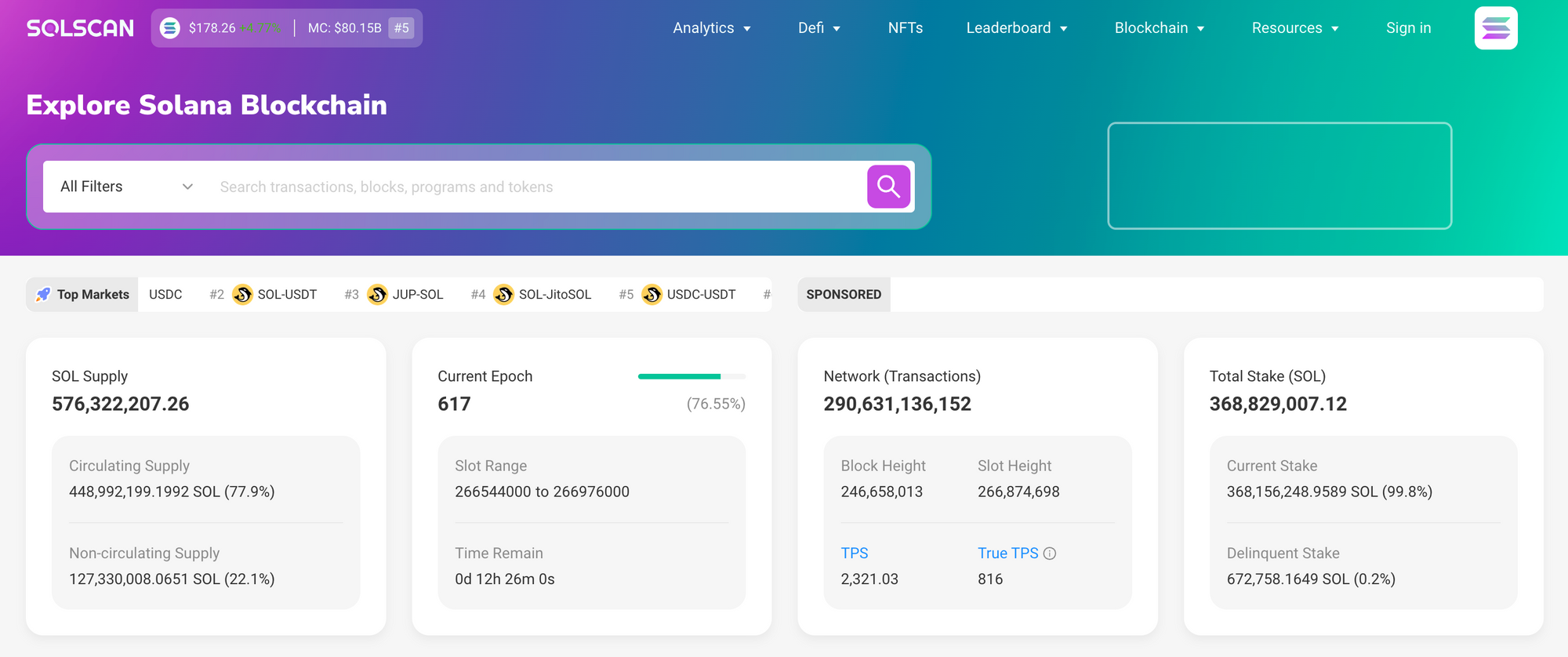
Okay, so check this out—There’s somethin’ satisfying about using it to audit token mints for a small DAO. Within minutes we flagged a wallet that had 80% of supply delegated. Something felt off about the timestamp clustering and the on-chain memos, and when we traced program invocations we found a sequence that matched a known market-placement pattern, which led to us recommending staged sell-offs and better governance safeguards to the treasury—this had real consequence. I’m not 100% sure every automated alert is meaningful without human review.
Seriously? Privacy advocates will say all this visibility cuts both ways. On one hand transparency fights fraud; on the other it exposes strategies. My instinct said to strike a balance by using explorers for forensic work while adopting opsec practices for treasury operations, and actually designing token distributions with staggered vesting that are visible yet resilient to front-running, though that’s easier said than implemented across teams unfamiliar with on-chain primitives. If you care about Solana analytics, know your tools.
I’ll be honest… I tend to favor explorers which expose inner instructions and CPI traces for each transaction. A commonly referenced option shows wallet graphs, token flows, and program calls in one pane. Check this: I keep bookmarks for wallet clusters we watch, set up CSV exports for large transfers, and run weekly scans so anomalies don’t pile up unseen; these small workflows reduce surprise and let smaller teams act like big, very very well-run ops shops. Oh, and by the way… some features cost money.
Something felt off about the docs at first. Support responsiveness often matters more than shiny charts when incidents happen at 3 a.m. A reliable explorer with good APIs saves months of debugging. If a tool provides audit trails, exportable raw logs, and programmable alerts, you can bake these into CI/CD checks for smart contracts or treasury workflows, and that operationalizes on-chain monitoring so it’s not just a manual, error-prone chore. I’m biased, again, but this is how I work.
Tools I Recommend (and where I start)
If you want a fast, practical starting point for token tracing on Solana, I often open solscan first and then pivot to whichever explorer exposes the deepest instruction traces for the token in question. There’s value in hopping between a few trusted explorers, correlating their outputs, and keeping a short list of scripts that fetch CSVs for any flagged address.
Here’s what bugs me about assuming one tool solves everything: you will miss edge cases. A token might look fine on surface metrics, yet inner instruction sequences reveal program interactions that explain weird liquidity moves. My gut says, and I mean this, build small, repeatable checks: snapshots of top holders, recent large transfers, and a histogram of transfer sizes over time. These simple reports catch somethin’ the flashy leaderboard won’t.
FAQ
Q: How do I trust automated risk signals?
A: Treat them as triage, not verdicts. Automated alerts surface leads—human review should validate context, check program logs, and inspect memos or associated transactions. Initially I thought alerts were sufficient, but then realized that combining alerts with manual inspection and cross-explorer confirmation drastically reduces false positives.