Whoa! This whole login-and-trade dance can feel like a carnival sometimes. The basics are simple. But the details trip people up—especially when margin and futures enter the picture and your heartbeat starts matching the candlesticks. I want to make this practical, not preachy.
Okay, so check this out—first impressions matter. If you land on a login page that looks off, my instinct says bail and verify. Phishing is real and it’s getting cleverer. Seriously?
Start with the very basics: use a strong password, enable two-factor auth, and keep your recovery phrases offline. These are small steps that prevent huge headaches later. Initially I thought a phone-based 2FA was enough, but then realized app-based or hardware 2FA is way safer for high-volume accounts—especially if you trade futures.
Here’s what bugs me about casual security advice: it often treats all accounts the same. They’re not. A spot-only account versus a futures account behaves differently when liquidations come knocking. So set permissions consciously. Create separate sub-accounts if you can. It’ll save you from mistakes—trust me.
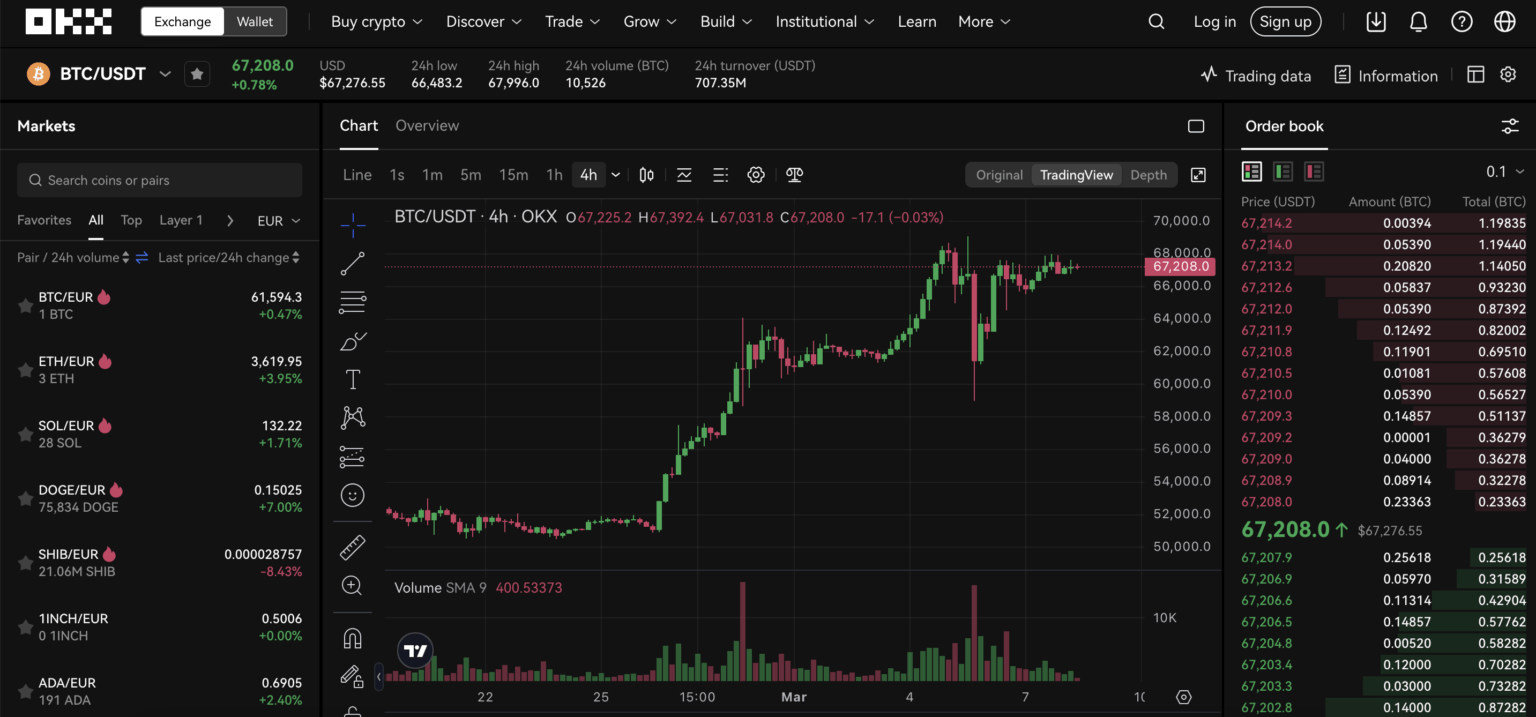
How to Log In Smoothly (Web and Mobile)
First, always verify the URL visually before entering credentials. If somethin’ looks even slightly off, close the tab and come back later. OKX’s official sign-in experience should be consistent, but there are legit variations between regions and apps. If you want a quick reference to the official flow, visit okx—I use it as a bookmark sometimes when I’m troubleshooting on the fly.
Web login: enter email or phone, password, then 2FA. Medium-sized accounts ought to add anti-phishing codes to emails and enable withdrawal allow-lists. Longer explanation: withdrawal allow-lists restrict destinations to approved addresses, and that small friction prevents catastrophic theft. On the other hand, too many restrictions can slow legitimate ops—so balance is key.
Mobile login: biometric unlock is convenient. But consider two-step verification for any critical action. If your phone dies mid-trade, that feels awful. So backup your 2FA seed or keep a hardware alternative. (Oh, and by the way…) keep at least one backup method that isn’t tied to your primary device.
Sometimes login fails because of geolocation or VPN quirks. If you travel a lot, set up device and IP profiles in advance. Or at least notify support if you anticipate a foreign login. Seriously, it prevents a support ticket marathon.
Quick Tour: Trading on OKX
Spot trading is straightforward: pick a pair, set a limit or market order, and hit buy or sell. Short sentence. But futures? Futures is a different animal.
On OKX, futures contracts let you gain leveraged exposure to an asset without owning the underlying token. You can use isolated or cross margin. Initially I thought cross margin was just easier, but then realized it amplifies risk across positions—so isolated is safer for discrete bets.
Order types matter more than you think. Limit orders control entry price. Market orders guarantee execution, though slippage can bite in volatile markets. Stop-loss and take-profit orders are your friends—really, they are. If you trade without them you’re basically gambling with blinders on.
Leverage: it magnifies gains and losses. Keep position sizes reasonable relative to your account equity. A good rule of thumb is not to expose more than a small fraction of your equity on any single futures position. I’m biased, but 2-5x leverage for most retail traders is plenty. High leverage feels thrilling; it’s also a fast ticket to liquidation.
Risk Management and Practical Tips
On one hand, leverage can turbocharge performance. Though actually, on the other hand, it can wipe you out fast. There’s no middle ground. So set stop-losses and accept smaller wins more often. That steadier approach compounds better than sporadic homeruns.
Use a trade journal. Track entry, exit, rationale, and outcome. It sounds nerdy. It works. You’ll spot patterns—good and bad—that emotional trading hides. Something felt off last month when my entries were consistently late; tracking fixed that. Minor typos happen in logs too—double entries, stray commas—but keep the habit.
Liquidation mechanics vary by contract. Read the contract specs before you trade. Somethin’ like funding rates can bleed you over time if you’re holding long or short across several cycles. Funding is a small recurring cost that compounds on large positions, so be mindful of it.
Also: beware of sudden exchange maintenance or outages during high volatility. If a major move happens and the exchange is down, your positions may be subject to automated processes you can’t influence. Plan for contingencies and avoid all-in moves right before scheduled maintenance windows.
Troubleshooting Login and Trading Issues
Login problems? Clear cache, try another browser, or use a private window. If 2FA codes aren’t working, check device time sync—auth apps hate desynchronized clocks. Short tip. If you lose your 2FA device, follow the exchange’s recovery flow immediately and involve support as needed.
Order execution issues often come down to slippage or insufficient balance for margins. Check maintenance margin and open order value before opening new positions. If an order doesn’t fill, re-evaluate your price level and patience—sometimes it’s better to adjust than fight the market.
If you suspect account compromise, freeze withdrawals and contact support. I know that’s nerve-wracking. But quick action reduces damage. Keep proof of your identity ready; it speeds up the recovery process and makes support less painful.
FAQ
How do I secure my OKX account best?
Use a unique, strong password, enable app-based 2FA or hardware 2FA, set an anti-phishing code, and enable a withdrawal allow-list. Keep backups of your 2FA seed offline and consider a hardware wallet for large spot holdings.
Should I trade futures on OKX as a beginner?
Futures are advanced. Start small with low leverage and paper trade if possible. Learn the contract specs, funding rates, and liquidation rules before committing real capital. Trade with risk you can afford to lose.
What’s the difference between isolated and cross margin?
Isolated margin confines risk to a single position. Cross margin shares margin across positions, which can prevent immediate liquidation for one trade but exposes your whole account to correlated losses. Both have use-cases.
Alright—closing thought: trading OKX futures can be rewarding, but it demands respect. Take small steps, build systems, and keep learning. I’m not 100% sure you’ll avoid mistakes; nobody does. But with the right habits, those mistakes become lessons instead of disasters. Good luck out there—trade carefully, and don’t be afraid to step back when the noise gets loud…